Unleashing the Power of an Executive Mindset
If you’re currently climbing the ladder of corporate success or recently taken on a leadership role, developing an executive mindset is key to achieving your goals. This mindset is not a privilege reserved for those with lofty titles but rather a critical skill set available to anyone with the drive to learn and evolve.
What is an Executive Mindset?
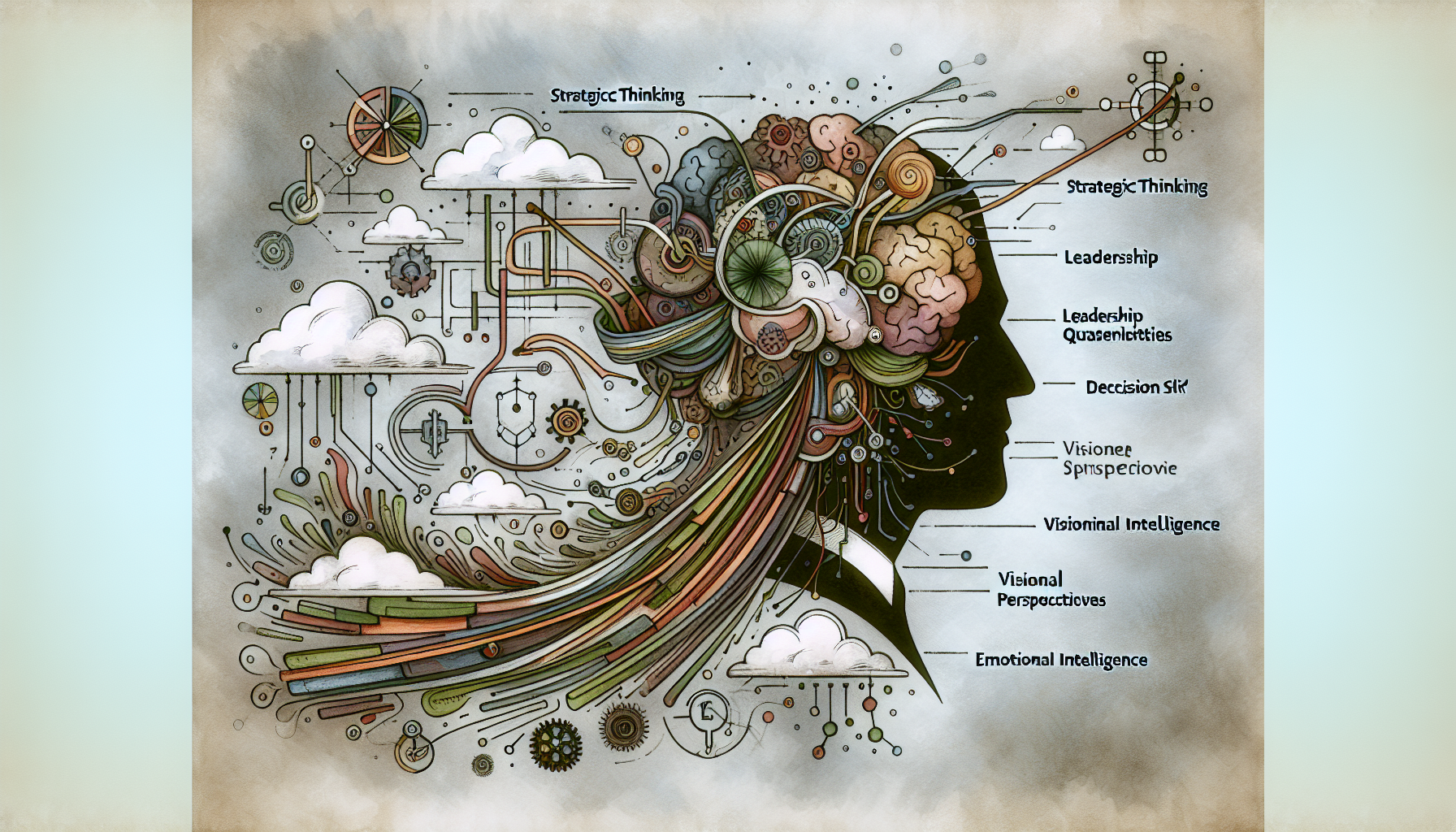
An executive mindset refers to the attitude and perspective of successful leaders. It’s about making decisive decisions, setting clear strategies, and driving continuous improvement.
It’s the ability to see the bigger picture and to navigate through the complexities of the business world effectively. It requires a fine balance of confidence, empathy, strategic thinking, resilience, and adaptability.
The Importance of an Executive Mindset
Today, the importance of an executive mindset in the business world cannot be overstated. It is fundamental to an organization’s success and shapes the direction and potential of a company. With an executive mindset, leaders can overcome challenges, seize opportunities, and navigate uncertain times with confidence.
The business world is a dynamic and ever-changing landscape.
Only those equipped with a strong executive mindset can adapt quickly, capitalize on trends, and turn challenges into opportunities.
Developing an Executive Mindset
To cultivate an executive mindset, leaders must first understand their strengths and weaknesses. This self-awareness can lead to personal growth and the ability to harness individual strengths effectively.
Leadership skills such as decision-making, strategic thinking, and problem-solving are fundamental to developing an executive mindset. These can be honed through experience, training, and mentoring. Executive coaching can also be a powerful tool for leaders to gain insights, receive feedback, and develop their leadership style.
Emotional intelligence, too, plays a significant role in shaping an executive mindset.
The ability to understand and manage emotions positively can drastically impact decision-making and interpersonal relationships in the workplace.
Leaders with high emotional intelligence are often better equipped to handle stress, motivate their team, and foster a positive work environment.
Resilience and adaptability are also crucial components of an executive mindset. In an ever-changing business environment, the ability to bounce back from setbacks and adapt to new situations is invaluable.
Leaders who are resilient and adaptable can guide their teams through turbulent times and inspire them to emerge stronger.
Finally, an executive mindset isn’t solely about professional growth. It also encompasses personal well-being.
Today’s executives are increasingly focused on maintaining a healthy work-life balance and practicing mindfulness. These elements are equally critical in fostering a sustainable executive mindset that allows leaders to perform at their best consistently.
Embracing an executive mindset is a continuous journey, not a destination.
It requires constant learning, reflection, and adaptation. By taking the time to develop these important aspects, leaders can not only achieve professional success but also foster a positive and motivating environment for their teams.
Remember, an executive mindset is more than just a leadership style. It’s a holistic approach to personal and professional growth that can pave the way to success in the complex world of business.