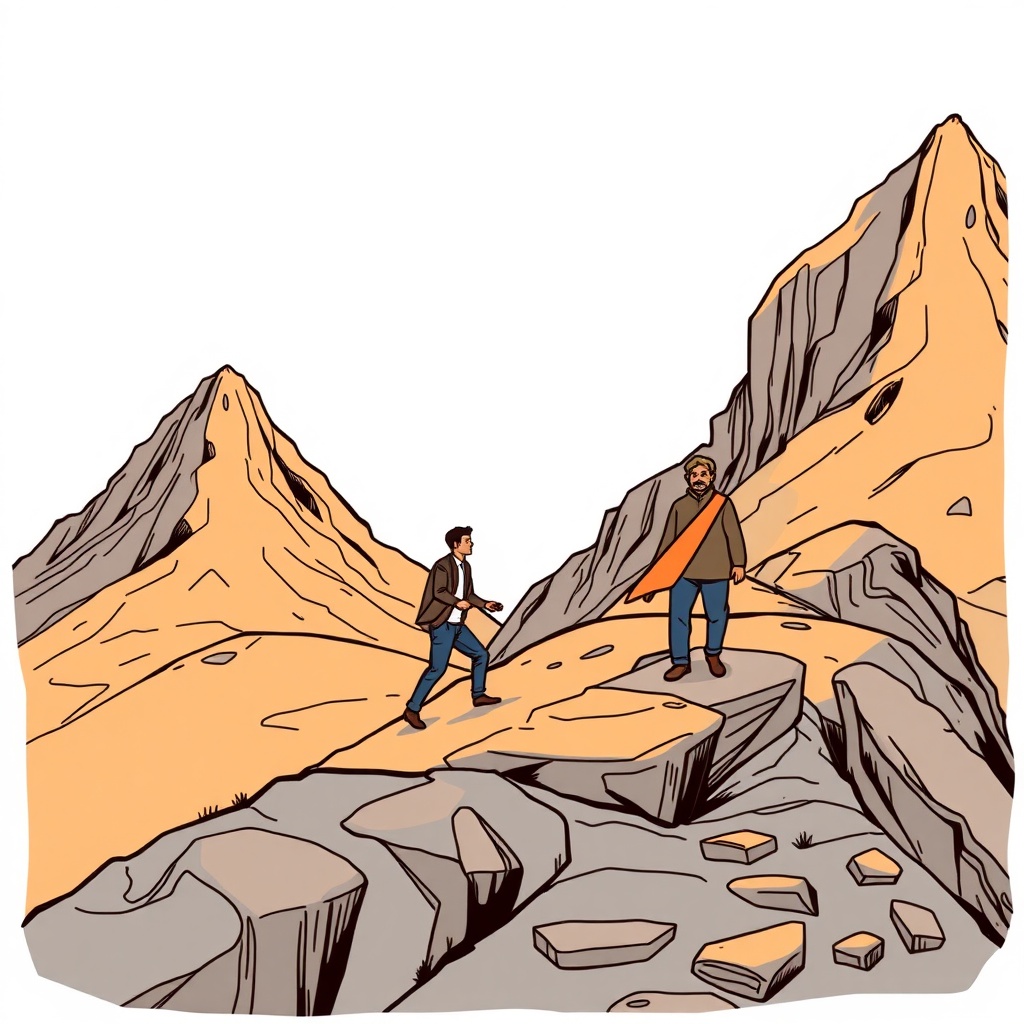
Leadership journey is a continuous process of growth that transforms how people influence teams, solve problems, and create culture. Whether someone is stepping into their first supervisor role or shifting from technical expert to strategic leader, the path follows recognizable stages and repeatable practices that accelerate progress and build lasting impact.
Core stages of the leadership journey
– Awareness: Recognizing strengths, blind spots, values, and impact on others. Self-assessments and 360-degree feedback are useful tools at this stage.
– Practice: Applying new behaviors—delegating, coaching, holding difficult conversations—and learning from outcomes.
– Refinement: Iterating based on feedback, developing emotional intelligence, and mastering context-driven decision-making.
– Legacy: Creating systems and mentoring the next generation of leaders to scale influence beyond a single role.
Essential skills and mindsets
– Emotional intelligence: The ability to manage self and relationships consistently predicts leadership effectiveness. Prioritizing empathy, active listening, and self-regulation fosters trust and psychological safety.
– Strategic clarity: Leaders who translate vision into clear priorities and measurable outcomes enable teams to focus and make better trade-offs.
– Adaptability: Complex environments demand flexible thinking. Embracing experiments, learning quickly, and adjusting course reduces risk and increases innovation.
– Courageous vulnerability: Admitting uncertainty and sharing learning moments models authenticity and encourages others to take calculated risks.
– Decisive delegation: Effective leaders distribute ownership and match tasks to capability, creating development opportunities and preventing burnout.
Daily habits that move the needle
– Weekly reflection: A short ritual—review wins, gaps, and the most impactful effort for next week—keeps learning deliberate.
– Feedback loops: Regular, specific feedback conversations (not annual surprises) accelerate improvement for both leader and team.
– Time-blocking for strategy: Protect blocks for thinking and planning; without it, urgent work crowds out high-impact activities.
– Mentorship and peer groups: Structured mentoring and peer advisory groups provide perspective, accountability, and new approaches.
Leading through change
Change is an ongoing reality. The most resilient leaders communicate transparently, align change with purpose, and manage both the technical and human sides of transitions.
Clear rationale, consistent messages, and opportunities for team input reduce resistance and preserve momentum.
Measuring progress
Track both qualitative and quantitative signals: team engagement, cycle time on projects, retention of high performers, and the frequency of constructive conflict.
Combine these with personal metrics—how often a leader delegates, how many new people they mentor, or how frequently they solicit feedback.
Practical prompts to accelerate development
– What one behavior, if changed, would have the biggest positive effect on your team this quarter?
– Whom can you coach this month to develop future capability?
– Where can you create a safe space for honest feedback and experimentation?
– What decision can you delegate fully to develop ownership and free capacity?
A leadership journey is not a finish line but a series of intentional practices that compound over time.
By embracing reflection, feedback, and small habit changes, leaders expand their influence, build stronger teams, and leave an enduring footprint on their organizations.
Start with one focused habit, measure its impact, and iterate—progress follows consistent effort.