Workplace culture shapes how people feel, perform, and stay. As work models evolve, leaders and teams that prioritize psychological safety, clear communication, and purpose gain a competitive edge. Here’s a practical guide to building a resilient, inclusive culture that supports both hybrid and fully remote teams.
Why culture matters
A healthy culture reduces turnover, boosts productivity, and accelerates innovation.
When employees trust their leaders, feel included, and understand how their work contributes to larger goals, engagement rises. Culture also influences external reputation — customers and candidates notice whether an organization lives its stated values.
Core elements of modern workplace culture
– Psychological safety: People need to know they can speak up, admit mistakes, and offer ideas without fear of reprisal. This fuels learning and creativity.
– Outcome focus: Measuring results rather than hours worked supports flexible schedules and remote collaboration.
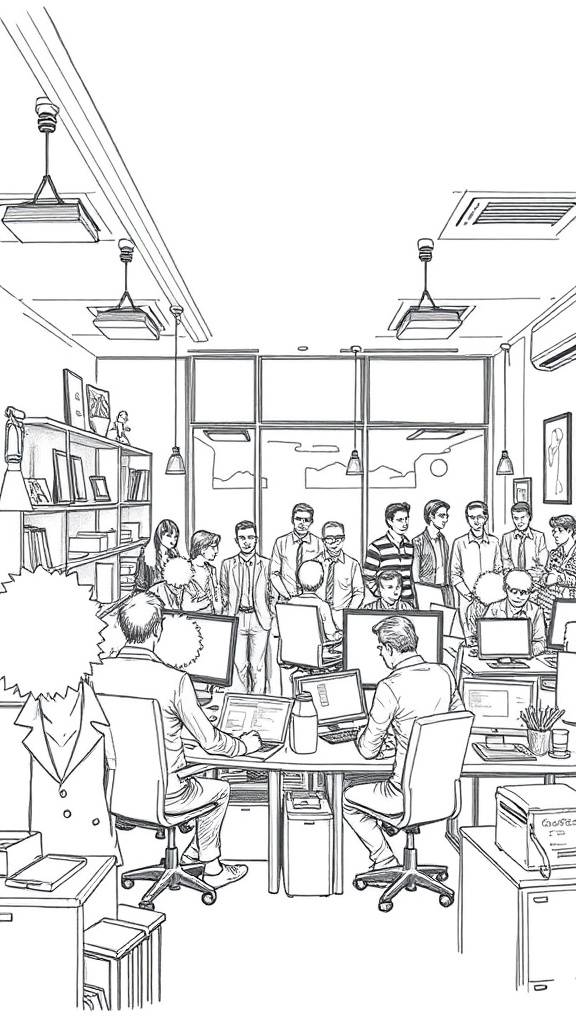
– Inclusive practices: Intentional policies and everyday behaviors that welcome diverse backgrounds improve decision-making and retention.
– Clear communication: Transparency about strategy, decisions, and priorities reduces anxiety and aligns effort.
– Well-being and boundaries: Supporting mental health, discouraging after-hours expectations, and normalizing time off prevents burnout.
Practical steps leaders can take
– Model vulnerability: Leaders who share challenges encourage honest dialogue and continuous improvement.
– Set asynchronous norms: Define when meetings are essential versus when a document, recorded update, or async thread suffices. This respects deep work time across time zones.
– Establish meeting hygiene: Circulate agendas in advance, limit attendee lists, start and end on time, and include explicit decision and follow-up items.
– Use regular, lightweight pulse checks: Short surveys or one-question prompts surface issues before they escalate. Combine these with periodic engagement surveys for deeper insight.
– Invest in onboarding rituals: Pair new hires with a buddy, schedule cross-functional meet-and-greets, and provide a clear 90-day roadmap to help people ramp faster.
– Train managers: Equip people leaders to give feedback, coach career conversations, and spot signs of burnout or exclusion.
– Make recognition public and specific: Celebrate small wins, credit contributors, and link recognition to company values.
How teams can contribute
– Create clarity around expectations: Agree on response times, meeting etiquette, and deliverables to reduce friction.
– Practice active listening: Ensure quieter voices are invited into conversations and avoid interrupting or dominating meetings.
– Keep rituals short and purposeful: Standups, demos, and retros should be focused and time-boxed to maintain momentum.
– Rotate roles in meetings and projects: Rotating facilitators, note-takers, and project leads builds skills and prevents gatekeeping.
Measuring culture without guessing
Combine quantitative metrics (engagement scores, retention rates, internal mobility, eNPS) with qualitative feedback (focus groups, exit interviews, open forums). Track specific interventions — for example, a meeting-reduction pilot or manager training — and measure their impact on productivity and morale.
Sustaining culture through change
Culture isn’t fixed; it requires continual attention.
During growth, reorgs, or shifts in strategy, double down on communication, preserve key rituals that bind teams, and solicit broad input before changing norms. Small, consistent actions — authentic feedback, fair recognition, and reliable follow-through — compound into trust.
A culture that values safety, clarity, and flexibility helps people do their best work and stay engaged. Investing in clear norms, manager capability, and inclusive habits creates an environment where teams thrive across locations and schedules.