Workplace culture shapes how work gets done, how people feel about their jobs, and whether teams innovate or stall. Today, organizations that treat culture as a strategic asset—not a byproduct—see measurable gains in retention, productivity, and brand strength. Below are practical ways to build a resilient, inclusive culture that supports hybrid teams, psychological safety, and sustainable performance.
What strong culture looks like
– Psychological safety: People speak up, share ideas, and admit mistakes without fear of reprisal.
– Clear values with behaviors: Values are translated into everyday actions leaders and teams model.
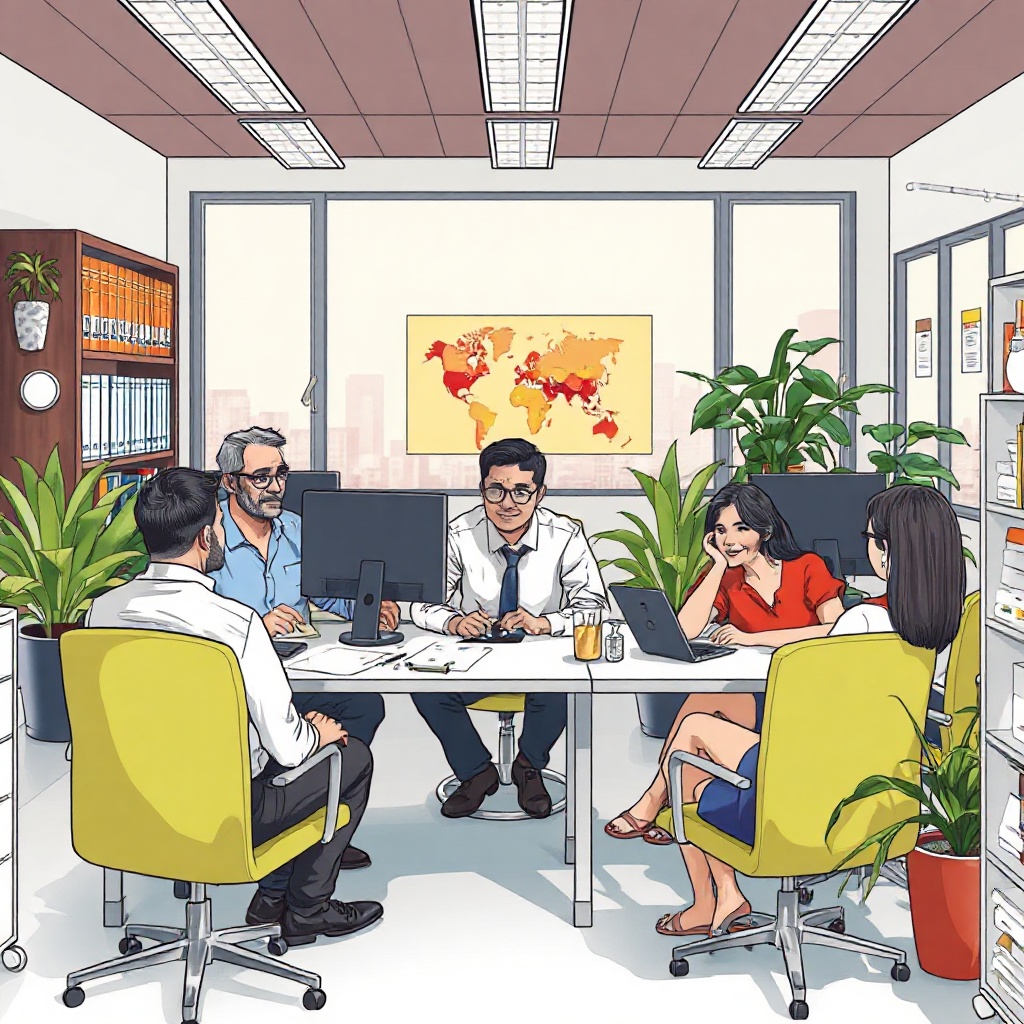
– Inclusive practices: Diverse voices are welcomed and have equal opportunity to contribute.
– Work-life integration: Policies support boundaries and flexibility, not constant accessibility.
– Continuous learning: Teams are encouraged to experiment and grow without punitive consequences.
Practical steps leaders can take
1. Make norms explicit
Create a short playbook of communication, meeting, and decision-making norms. Include expectations for asynchronous work, camera use on calls, response time, and timezone respect so remote and in-office employees share the same roadmap.
2.
Prioritize psychological safety
Train managers to run inclusive meetings, ask for input from quieter team members, and respond constructively to mistakes. Recognize and reward vulnerability and curiosity as well as outcomes.
3.
Design for hybrid inclusion
Use hybrid-first meeting practices: set agendas, designate facilitators, alternate who’s remote vs. in-office, and use collaborative docs so remote attendees have equal footing. Schedule “focus hours” and occasional no-meeting days to reduce Zoom fatigue.
4.
Build feedback loops
Use short, frequent pulse surveys and structured 1:1s to surface issues early.
Share results transparently and publish action plans so employees see how feedback translates into change.
5. Link culture to performance
Establish measurable culture KPIs—employee Net Promoter Score (eNPS), voluntary turnover, time-to-fill roles, and participation in development programs. Tie leadership goals and incentives to these metrics.
6. Normalize well-being
Offer meaningful mental health support, encourage use of PTO, and create policies for rest without stigma. Promote micro-breaks, ergonomics, and manager check-ins specifically about workload and stress.
7. Champion development and mobility
Create clear career pathways and stretch opportunities across functions. Mentorship, job rotations, and cross-team projects keep talent engaged and build institutional knowledge.
Inclusive language and behavior
Train teams on inclusive communication—use role-based rather than gendered language, avoid assumptions in scheduling, and make accommodations visible and easy to request.
Hold leaders accountable with regular reviews of diversity and inclusion outcomes.
Measuring progress
Monitor engagement scores, retention by team/manager, internal promotion rates, and participation in learning programs. Combine quantitative data with qualitative insights from focus groups to understand root causes and design targeted interventions.
Quick wins to try immediately
– Introduce a weekly “stand for five” check-in to gather wins and blockers.
– Pilot a no-meeting afternoon once a month.
– Publish a one-page culture guide for new hires and managers.
– Launch a micro-mentoring program linking junior and senior employees.
Culture is an ongoing choice, not a one-time project. By making expectations explicit, prioritizing psychological safety, and tying culture to clear metrics, organizations can create workplaces where people thrive and business outcomes improve. Start small, iterate, and keep everyone part of the evolution.