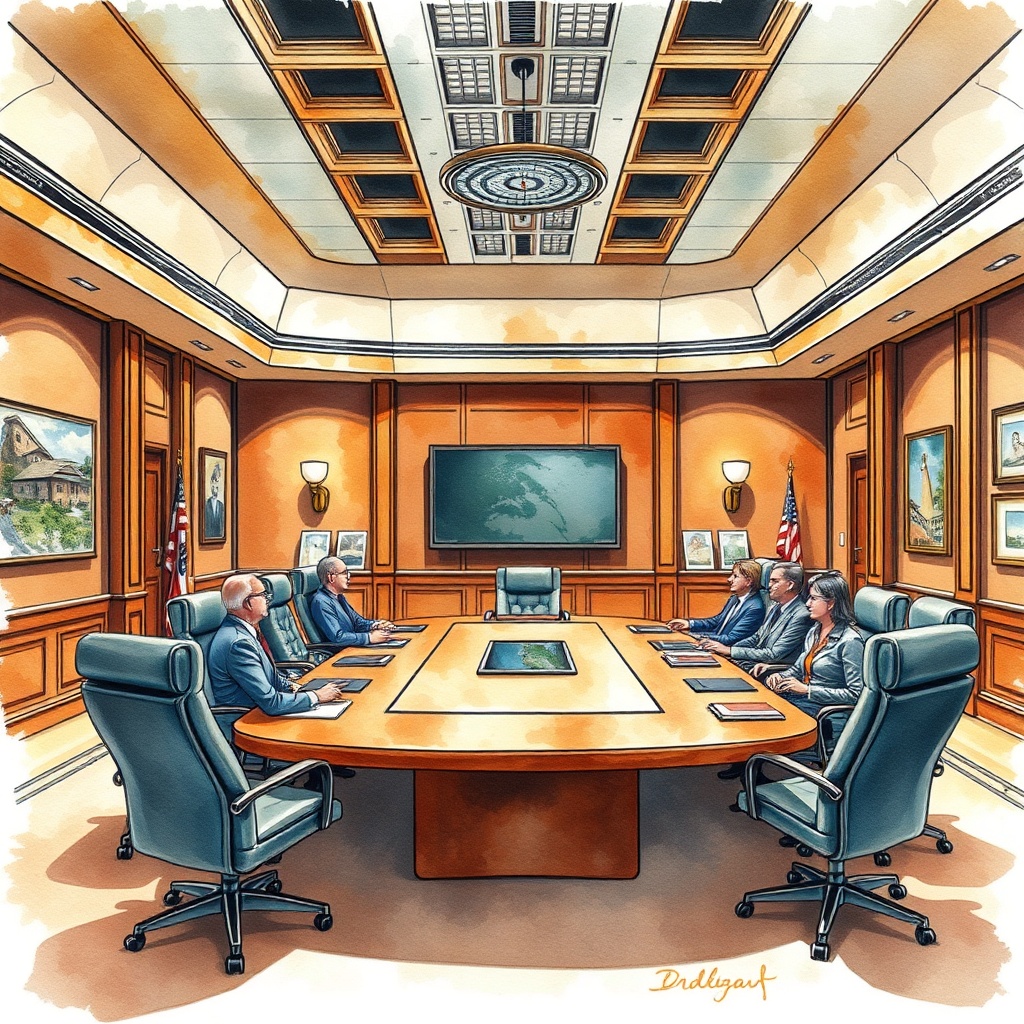
Boardroom reality rarely matches the polished image presented in annual reports and investor decks. Behind the table, decisions are shaped by information gaps, interpersonal power dynamics, and pressure from shareholders, regulators, and stakeholders. Understanding the true mechanics of modern boards helps leaders make better governance choices and prepares directors for meaningful oversight.
What boardrooms actually look like
– Information asymmetry: Executives control the flow of information. Directors rely heavily on management-prepared materials, so the quality, timing, and framing of those materials determine the board’s ability to ask the right questions.
– Influence and dynamics: Chairs and CEOs often set the agenda and tone. Independent directors add value, but group dynamics, deference to authority, and time constraints can limit rigorous debate.
– Committee-driven governance: Risk, audit, compensation, and nominating committees do much of the detailed work. That specialization helps focus attention but can also create siloed perspectives.
– Short-term pressure vs long-term strategy: Market expectations and activist investors push for near-term performance, while boards must balance that with strategic investments and succession resilience.
– Hybrid reality: Remote and hybrid meetings have changed interaction patterns. Virtual settings can improve attendance and flexibility but may reduce informal relationship-building and candid sidebar conversations.
Key oversight challenges
– Cybersecurity and technology: Boards are now expected to understand cyber risk, data governance, and digital transformation strategy. Technical briefings should be part of regular oversight.
– Culture and conduct: Employee experience, tone at the top, and ethical lapses can be existential risks. Boards need metrics and qualitative insight into organizational culture, not just policies.
– ESG and stakeholder expectations: Environmental, social, and governance matters are no longer peripheral. Investors and consumers demand transparency and measurable progress, forcing boards to integrate ESG into strategy and risk assessment.
– Talent and succession: Effective succession planning for the CEO and key executives is often underdeveloped. Boards must treat talent as strategic capital and stress-test succession scenarios.
– Regulatory and legal exposure: Compliance oversight is complex and requires continual attention to changing regulations and enforcement trends.
Practical moves to close the gap
– Improve board materials: Prioritize concise, data-driven briefings with clear decision points. Include red-team analysis and downside scenarios to counter confirmation bias.
– Strengthen independence and expertise: Recruit directors with diverse backgrounds—industry, cyber, finance, operations, and stakeholder experience—to reduce overreliance on management narratives.
– Regular board education: Schedule mandatory briefings on new risks, technologies, and regulatory developments to keep directors current and confident in oversight.
– Institutionalize culture checks: Use pulse surveys, exit interviews, and independent culture audits to surface issues before they become crises.
– Enhance cyber hygiene at the board level: Require formal cyber briefings, table-top exercises, and a crisis communication plan that integrates board responsibilities.
– Formalize succession and continuity: Maintain an updated succession pipeline, emergency succession protocols, and leadership development metrics.
Boardroom effectiveness depends less on formality and more on disciplined processes, diverse perspectives, and a willingness to confront uncomfortable truths. When boards shift from reactive oversight to proactive stewardship—asking hard questions, requiring evidence, and planning for disruption—they move closer to the governance standards stakeholders expect. The reality of boardrooms is complex, but deliberate changes in information flow, composition, and accountability can transform governance from a compliance exercise into a strategic advantage.