Workplace culture drives talent attraction, employee engagement, and long-term performance. When culture aligns with strategy, organizations move faster, retain top performers, and turn everyday work into a shared mission. Here’s how to strengthen culture in a way that scales across remote, hybrid, and in-person teams.
Why culture matters
A strong workplace culture reduces turnover, boosts productivity, and amplifies innovation. Psychological safety — the belief that people can speak up without retribution — is a cornerstone. When employees feel safe, they share ideas, raise risks early, and solve problems collaboratively. Culture also shapes customer experience: employees who feel valued deliver better service.
Core elements of a healthy culture
– Clear values and behaviors: Values mean little without observable behaviors.
Translate guiding principles into day-to-day actions and decision checkpoints.
– Inclusive leadership: Leaders set norms. Inclusive leaders model humility, listen actively, and create space for diverse perspectives.
– Psychological safety: Encourage constructive dissent, normalize mistakes as learning moments, and reward transparency.
– Wellbeing and boundaries: Respect for personal time and flexible work options helps sustain energy and reduce burnout.
– Recognition and growth: Regular feedback, visible career paths, and meaningful recognition keep employees motivated.
Strategies to build culture that sticks
1. Make values operational
Don’t let values live only on a wall or intranet. Tie them to hiring rubrics, performance reviews, and promotion criteria. Use short behavioral examples during interviews and 1:1s to reinforce what living the values looks like.
2. Design intentional rituals
Small rituals create shared identity. Weekly team shout-outs, cross-functional “demo” sessions, or a monthly learning hour can foster connection across locations. Rituals should be simple, consistent, and tied to your purpose.
3. Normalize feedback
Train managers and teams to give timely, specific feedback. Use structured formats like “situation-behavior-impact” to keep conversations constructive.
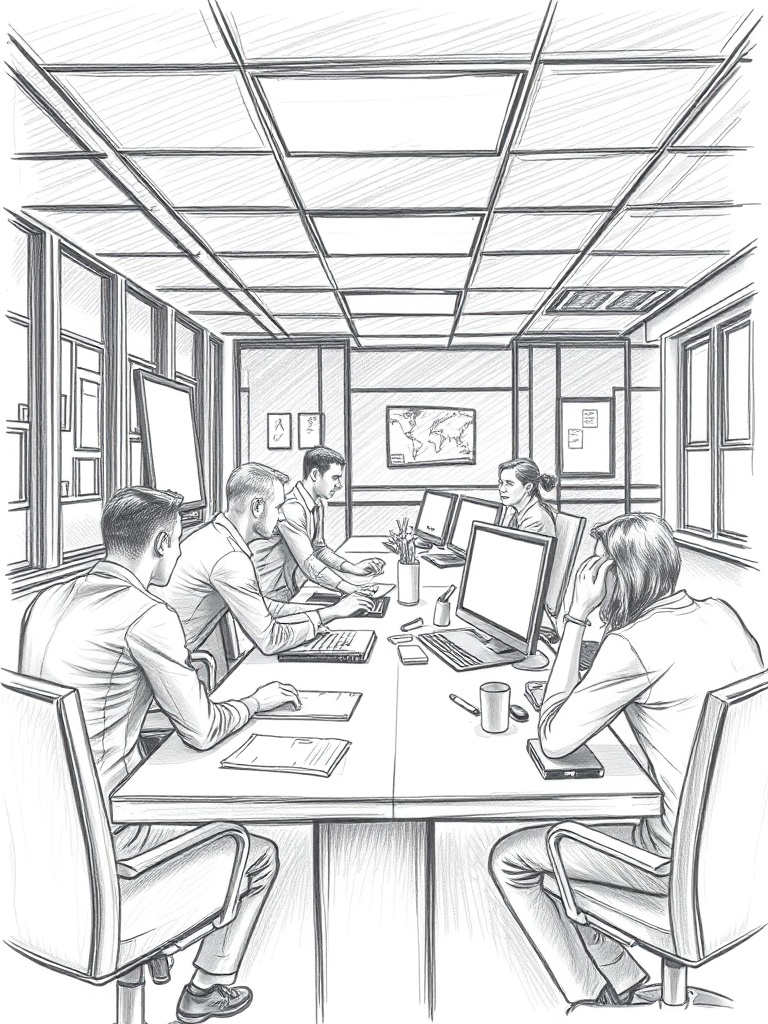
Make upward feedback a regular part of talent cycles, not a once-a-year checklist.
4. Support hybrid and remote cohesion
Remote work requires deliberate connection. Prioritize synchronous time for relationship-building and asynchronous documentation for clarity. Use playbooks to clarify what should be handled in person, what can be asynchronous, and how to onboard remote hires.
5. Invest in leadership development
Culture scales through leaders. Equip managers with coaching skills, inclusive decision-making frameworks, and tools to spot early signs of burnout. Promote leaders who amplify others and protect team wellbeing.
Measuring culture and adjusting
Track culture with a mix of quantitative and qualitative tools: pulse surveys, engagement scores, exit interviews, and focus groups. Look for trends over time rather than single data points.
Translate survey insights into a prioritized roadmap with owners and timelines.
Share results transparently so people see progress and trust the process.
Pitfalls to avoid
– Treating culture as only an HR program
– Overloading initiatives without sustained accountability
– Confusing perks with culture—free snacks don’t replace meaningful recognition or career growth
Action steps for leaders this quarter
– Run a short pulse survey focused on psychological safety and workload balance
– Host a values workshop with cross-functional representation to operationalize behaviors
– Set a pilot for hybrid norms and evaluate after two cycles
Culture is an operational asset that requires patience, clarity, and continuous iteration. Organizations that prioritize psychological safety, clear behaviors, and inclusive leadership create workplaces where people thrive, performance improves, and innovation becomes habitual.