Boardroom Reality: What Leading Boards Are Actually Doing Now
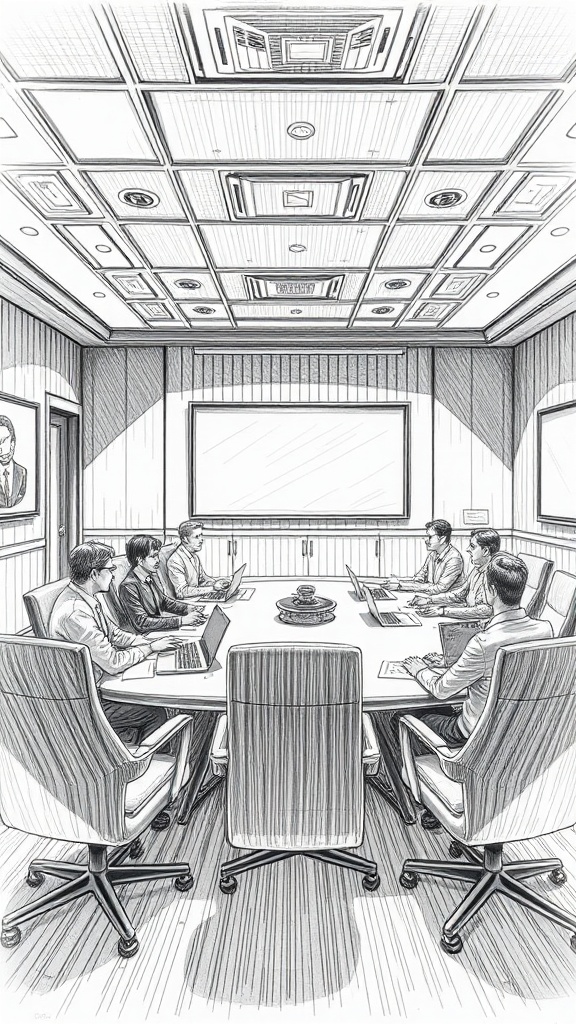
The public image of boardrooms — austere, ceremonial, and detached — is diverging sharply from reality. Boards are evolving into dynamic, strategic hubs where governance meets rapid disruption. Understanding what’s really happening in these settings helps directors and executives align oversight with the demands of shareholders, employees, regulators, and communities.
What’s driving change
Several forces are reshaping governance simultaneously. Stakeholders expect transparency on environmental, social, and governance (ESG) issues. Digital threats and data privacy concerns require technical oversight, not just legal review. Activist investors and tighter disclosure rules put succession planning and executive accountability under constant scrutiny.
At the same time, hybrid work and dispersed leadership teams change how directors stay informed and engaged.
Key shifts in boardroom practice
– Skills-based composition: Boards are moving beyond industry pedigree to prioritize functional expertise — cybersecurity, data analytics, climate science, and human capital. A skills matrix informs recruitment and ensures the board can challenge management on technical topics.
– Active risk integration: Risk oversight is embedded across agendas rather than relegated to a single committee.
Boards adopt scenario planning and stress testing to anticipate supply chain disruptions, regulatory changes, and reputational shocks.
– Ongoing director education: Continuous learning is replacing annual briefings. Short, focused sessions on emerging risks keep directors current, and external advisors are engaged for timely technical insights.
– Stakeholder engagement: Boards are broadening their view of value creation. Regular dialogues with employees, customers, regulators, and community representatives inform strategic choices and strengthen trust.
– Governance transparency: Enhanced reporting and clearer disclosure of board processes respond to investor demand for accountability. Boards are documenting how decisions are made and how oversight links to long-term performance.
Concrete steps boards are taking
– Implementing a formal skills gap analysis to guide director recruitment and refreshment.
– Running tabletop exercises on cyber incidents and supply chain failures to test response readiness.
– Integrating ESG risk into enterprise risk frameworks with measurable targets and reporting cadence.
– Tightening succession plans with clear emergency protocols and multi-tiered readiness for key roles.
– Setting shorter, sharper board materials with pre-reads and dashboards to improve meeting effectiveness.
Practical checklist for boards that want to catch up
– Map essential skills and identify one or two high-priority hires.
– Require quarterly briefings on cybersecurity and data privacy from the chief information security officer.
– Adopt a rolling director development calendar with micro-learning modules.
– Conduct an independent board effectiveness review at regular intervals and act on recommendations.
– Define stakeholder engagement priorities and publish a concise engagement summary.
Why this matters for performance
Boards that adapt move from reactive oversight to forward-looking stewardship. When directors understand technology, sustainability, and human capital at a practical level, they can provide stronger strategic guidance, reduce blind spots, and build resilience.
That leads to more disciplined risk-taking, faster recovery from shocks, and clearer alignment between purpose and performance.
The evolving landscape calls for boards to be deliberate about composition, accountability, and continuous learning. Those that embrace the operational realities of modern governance are better positioned to steer organizations through complexity and deliver sustainable value to all stakeholders.